
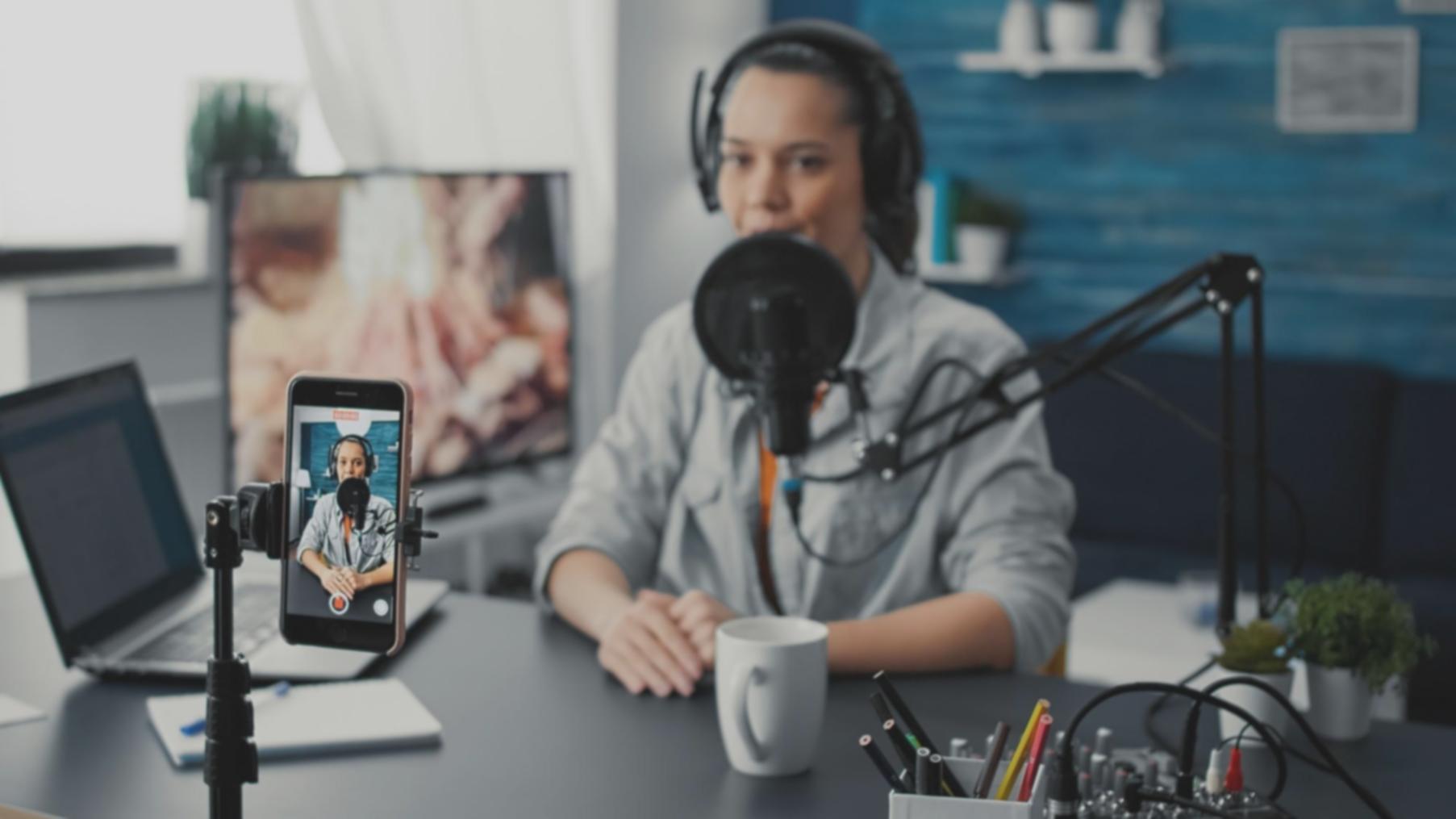
Journalism genres — practical training from working professionals
Each course is built around a specific genre. Instruction, critique, and iteration — structured around how editorial desks actually work.
Six genres, six distinct ways of telling the truth
Journalism is not a single skill — it is a family of crafts. Each genre has its own logic, pacing, and standards. Our courses treat them separately so participants can focus on the specific discipline they want to develop, rather than getting a general survey of everything.
A feature writer and an investigative reporter need almost nothing in common — we train them differently on purpose.
Source cultivation, document analysis, and structuring long-form exposés. Focused on evidence-based accountability work with real editorial constraints.
Scene-setting, character development, and narrative arc within journalism's factual constraints. How to write a 2,000-word piece that holds attention.
Interview technique, audio editing, and scripting for spoken formats. Covers both live broadcast conventions and episodic podcast production.
Spreadsheet analysis, public records requests, and building visualizations that communicate findings. No programming required to start.
Visual storytelling ethics, field production workflow, and editing structure for documentary-length journalism. Includes archive and stringer footage use.
Argument construction, voice development, and the ethical limits of opinion journalism. Covers column writing, editorial boards, and public commentary.
Each course runs on a four-week editorial cycle
The format mirrors how a real newsroom assignment works — brief, draft, feedback, revision. Participants submit work, receive written critique from the instructor, and revise before the next session begins.
Assignment brief
Each week opens with a specific editorial brief — a topic, a format constraint, and a word or time limit. Just like a desk assignment.
Draft submission
Participants submit a first draft within four days. The deadline is firm — late drafts are reviewed but don't receive priority critique.
Editorial critique
Written feedback from the course instructor with specific markup, structural notes, and questions — not grades, just editorial notes.
Revised final version
Participants submit a revised version responding to feedback. Both versions are kept in the participant's course portfolio.

Course structure at a glance
All courses share a common framework, then branch into genre-specific modules. This gives participants a consistent foundation regardless of which track they enter.
Online with no fixed schedule

Recorded sessions, written materials, and assignment briefs are released weekly but accessible at any time. Participants in Odesa and elsewhere in Ukraine have been completing courses alongside full-time jobs without rescheduling around live streams.
- All materials downloadable in PDF and audio formats
- Subtitles on all recorded sessions
- No expiry on enrolled course access
Optional live Q&A — twice per course run
Two scheduled sessions per course cycle where participants can ask the instructor directly. These are recorded for those who cannot attend. Questions submitted in advance are prioritized over live questions, so preparation matters more than being punctual.
- Sessions recorded and added to course archive within 24 hours
- Question submission opens 48 hours before each session
- Ukrainian and English questions both welcomed
Portfolio track — for participants publishing their work
Participants who want their revised assignments reviewed for actual publication can opt into the portfolio track. Instructors flag pieces that meet editorial standards and can provide an accompanying note for editors on request. This is not a guarantee of placement — it is editorial judgment, which is different.
- Available on Feature Writing, Investigative, and Data Journalism tracks
- Instructor note provided within 10 working days of revised submission
- No additional cost beyond course enrollment
The people running the courses
Both instructors are currently working journalists — the courses reflect what they are actually doing, not what they did a decade ago.
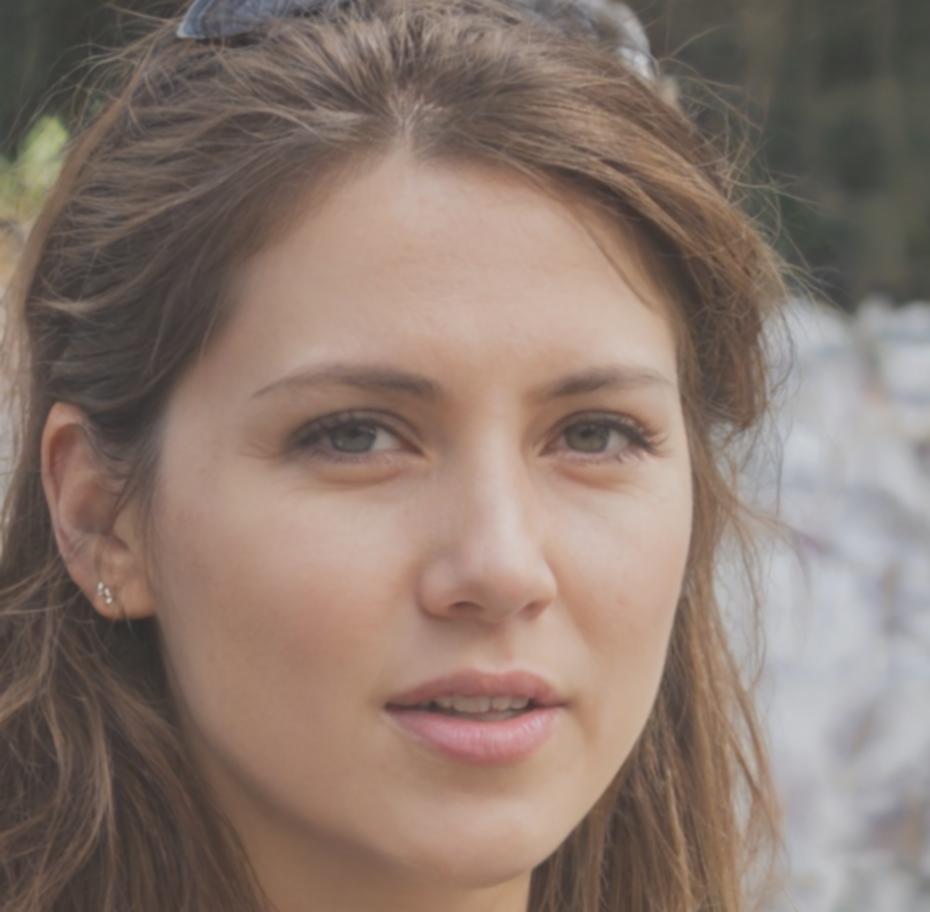
Oksana Verhun
Fifteen years at regional and national Ukrainian outlets. Currently contributing to an independent investigations desk covering public procurement and local government accountability.
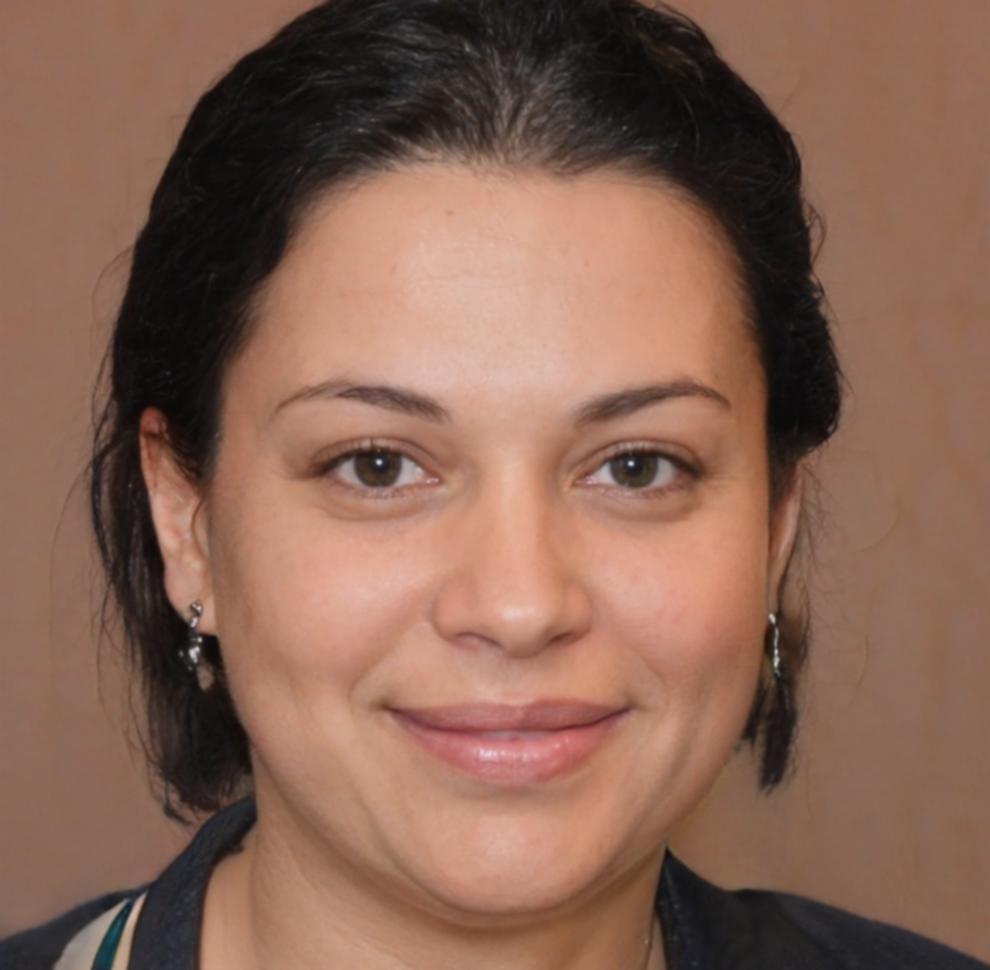
Daryna Kovalchuk
Former broadcast journalist now specializing in data-driven visual reporting. Has worked with open-source intelligence tools on conflict documentation projects since 2022.
Pick a course that fits where you are in your practice
There is no required starting point. Participants range from student journalists to working reporters wanting to develop a specific skill. Fill in the form and we will send the schedule and enrollment details for the track you choose.