
Journalism Studies Across Borders
Vectorinoco brings together students from different countries to study the full range of journalism genres — from investigative reporting to documentary narrative — with practitioners who still work in the field.
What studying journalism in Ukraine actually offers international students
Ukrainian journalism has been shaped by real-world pressure — that context makes for unusually direct teaching.
Odesa has long been a crossroads city, and that geography shapes how media is taught here. Students encounter editorial traditions from multiple directions — Soviet-era analysis, European public interest frameworks, and the fast-moving digital formats that Ukrainian outlets have developed under pressure over the past decade.
The curriculum at Vectorinoco covers eight defined journalism genres: news reporting, feature writing, investigative journalism, documentary, criticism, interview, essay, and opinion. Each genre is taught as its own discipline with its own conventions, not as variations on a single method.
Classes are taught in English. Most instructors carry active freelance or staff roles alongside their teaching, which keeps the content close to current practice rather than academic theory.

How the program is structured for international students
Enrollment is open to students with a background in any humanities discipline. You do not need prior journalism training — the program starts from fundamentals and builds through genre-specific workshops.
Genre-First Curriculum
Each course focuses on one genre in depth. Students write, revise, and publish within that format before moving to the next — no overview courses that skim across everything.
Small Group Cohorts
Groups are capped at 14 students. Instructors read every submission and give direct written feedback — that ratio is intentional, not a feature they advertise and then abandon.
English-Language Instruction
All sessions, materials, and feedback happen in English. Students from non-English-speaking countries have completed the program — language proficiency at B2 level is the practical threshold.
Flexible Session Scheduling
Sessions are scheduled to accommodate multiple time zones across Europe and Asia. Recorded access is available for synchronous sessions within 24 hours of broadcast.
Portfolio-Based Assessment
There are no standardized tests. Students are assessed on a portfolio of published or publishable work produced during the program — pieces that can go directly into a professional portfolio.
Editorial Feedback Culture
The editorial review process mirrors real newsroom practice. Drafts go through structured critique from peers and instructors before final submission — the feedback is direct and specific.
The people running these courses have bylines, not just credentials
Instructors were recruited specifically because they still practice the genre they teach. A feature writer who publishes regularly in European outlets teaches the feature course. An investigative reporter who spent three years on a regional corruption story teaches investigative methods.
That practical context changes the classroom dynamic — students spend less time on theory and more time working through the exact problems practitioners face on deadline.
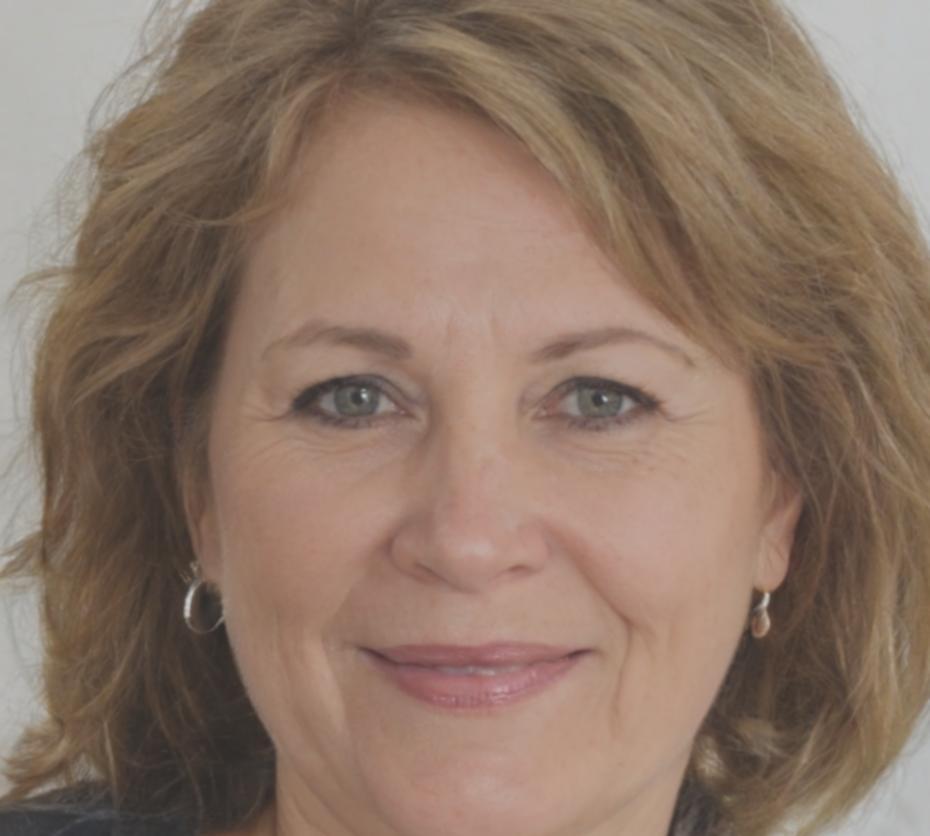
Darya spent six years as a staff writer at a Kyiv-based investigative outlet before moving to freelance. Her work has appeared in publications across Germany and Poland. She brings a rigorous sourcing methodology into the classroom and runs workshops focused on document-based reporting — the kind of journalism where the story is built before any interview takes place.
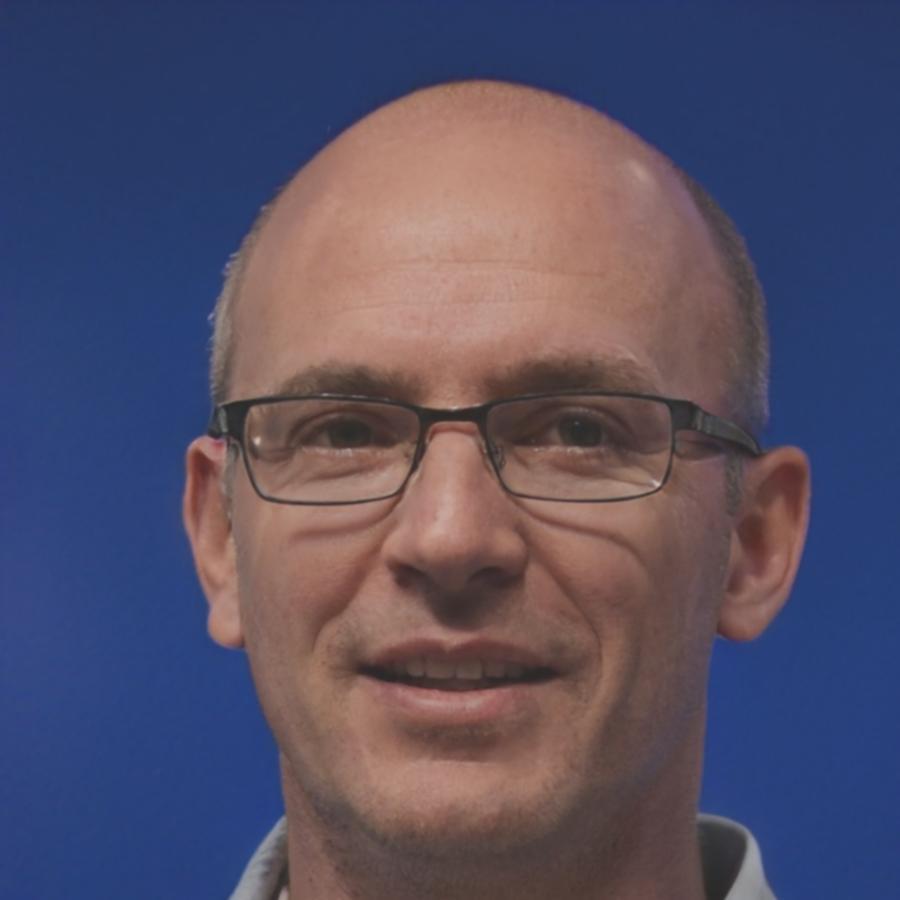
Bohdan's focus is long-form narrative — the documentary and essay genres that sit between journalism and literature. He trained in Warsaw and spent four years editing a regional cultural magazine before joining Vectorinoco in 2022. His sessions push students to work with structure as deliberately as with language, treating the architecture of a piece as a reporting decision in itself.