
Practical journalism education rooted in craft and context
Vectorinoco brings structured, genre-specific journalism training to participants who want to write with precision — not just passion. Based in Odesa, we work with people at all stages of their writing practice.

Journalism has specific forms — and each one needs to be learned separately
A news report and a long-form feature operate by completely different rules. So does an editorial, an interview, or a piece of investigative writing. Most writing courses treat these as variations of one skill. We treat them as distinct disciplines, each with its own logic, structure, and demands.
Our curriculum is built around genre as the organizing principle. Participants choose the form that matches their professional context — whether they are working in broadcast, print, or digital — and go deep rather than wide. The goal is functional competence, not general familiarity.

Genre is not a stylistic choice. It is a structural commitment that shapes everything from the opening line to the final edit.
Each Vectorinoco session focuses on one genre at a time. Participants work through real examples, draft original pieces, and receive structured feedback from instructors with active editorial backgrounds.
Three principles behind every session
These are not values written for a wall poster. They are the practical decisions that shape how each masterclass is built and delivered.
Real texts, not templates
Every session uses published journalism — Ukrainian and international — as the primary material. Participants analyze how working journalists actually construct their pieces before attempting to write their own.
Feedback that is specific
Vague praise and vague criticism are equally useless. Instructors comment on specific sentences, structural choices, and sourcing decisions — the kind of notes an editor would leave on a draft.
Local context matters
Ukrainian media operates in a specific information environment. Our examples, case studies, and editorial standards reflect that reality — not an idealized Western newsroom that most participants will never work in.



Instructors who still work as journalists
There is a meaningful difference between someone who teaches journalism and someone who practices it. Our instructors hold editorial roles — or recently did — at regional and national outlets. They bring current problems, not archived ones.
Sessions are kept small deliberately. With no more than 14 participants per group, every person gets substantive attention rather than being part of a crowd that watches a demonstration.
Practice
Method
Daryna Kovalchuk
Investigative Journalism
Eight years in regional print media. Focuses on source verification, document-based reporting, and structuring long investigations for general audiences.
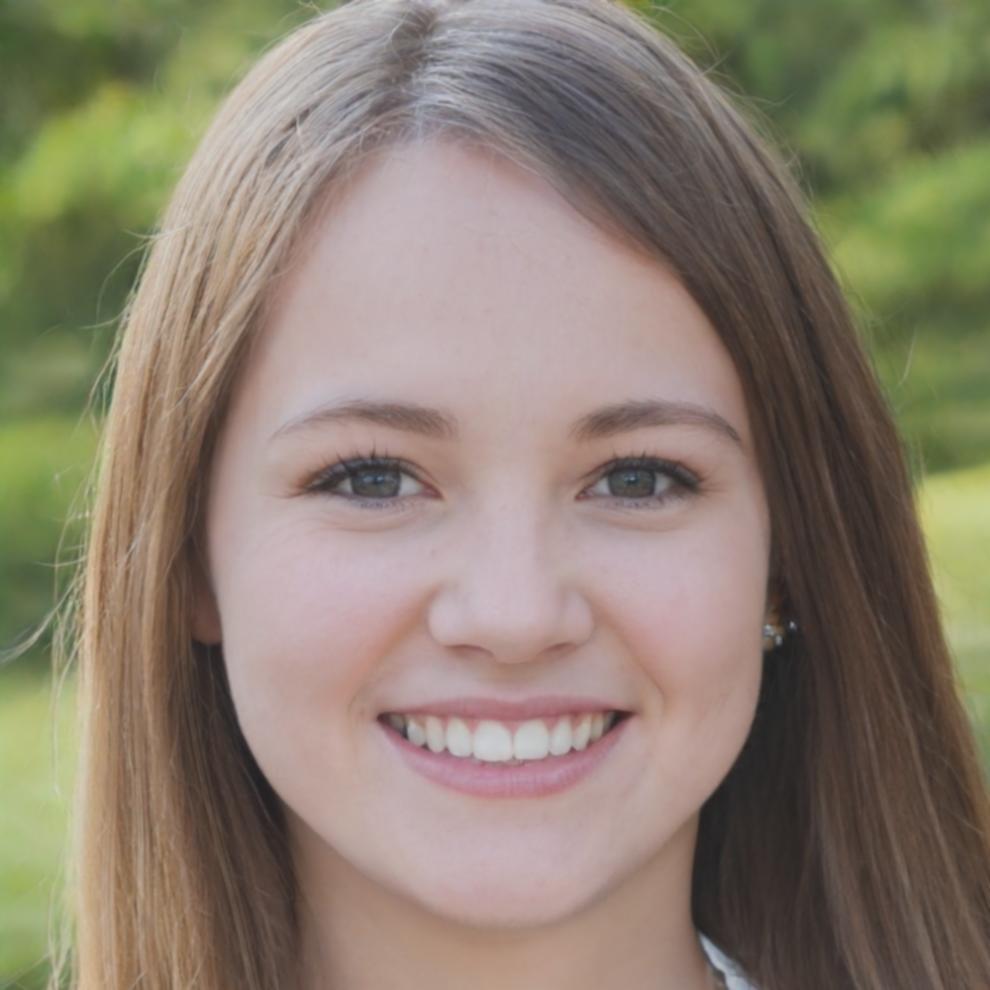
Oksana Petrenko
Feature Writing & Narrative
Works across digital and magazine formats. Her sessions concentrate on scene construction, pacing, and the specific challenge of holding a reader across 2,000 words.
Want to teach at Vectorinoco?
We occasionally bring in guest instructors for specialist genre sessions. If you have active editorial experience and a specific journalism discipline you can teach at depth, reach out directly.
GET IN TOUCH